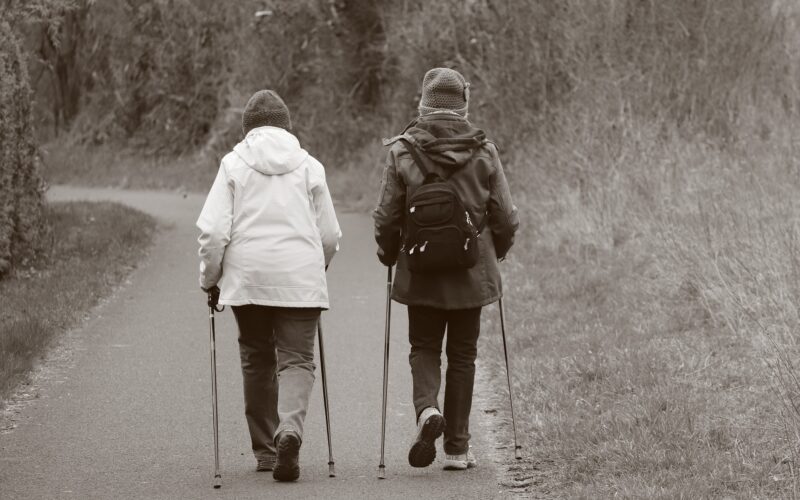
The Stress-Reduction Walk
Modern life has a habit of squeezing the romance out of the evenings. By the time the dinner plates are cleared, most couples are exhausted from work, battling decision fatigue, or distracted by the flashing notifications of their devices. The standard default is to collapse onto the sofa and scroll through social media or binge-watch a series in companionable silence. While restful, this routine rarely fosters connection. There is, however, a remarkably simple antidote to this evening stagnation: the post-dinner walk. This modest twenty-minute ritual acts as a buffer between the pressures of the day and the sanctuary of the night, offering a unique form of therapy that costs nothing but time.
It creates a neutral space for conversation
One of the primary benefits of walking side-by-side is the removal of direct eye contact, which can sometimes feel confrontational or intense after a stressful day. When you are walking, you are looking ahead at the path, not staring at each other waiting for a reaction. This side-by-side orientation lowers psychological defences, making it easier to broach difficult subjects or simply unload the day’s frustrations without fear of judgement. The rhythm of walking naturally paces the conversation, allowing pauses that don't feel awkward. It transforms the dynamic from "I need to talk to you" to "we are moving forward together," which is a powerful subconscious signal for partnership and collaboration.
The physiological benefits calm the nervous system
There is solid science backing the calming effects of a stroll. Walking, particularly after a meal, helps to regulate blood sugar levels and aids digestion, preventing that heavy, lethargic feeling that often kills evening conversation. More importantly, the act of walking reduces cortisol levels—the body's primary stress hormone. When you and your partner have both had high-pressure days, your nervous systems are often stuck in a state of hyper-arousal. A twenty-minute walk physically processes this adrenaline, allowing you both to return home in a parasympathetic state—calmer, more grounded, and far more capable of patience and empathy towards one another.
Nature acts as a third party in the relationship
Even if your route is just around a suburban block, stepping outside changes your environment and, consequently, your perspective. The four walls of a home can sometimes trap stagnant energy or remind you of domestic chores left undone. Outside, however, the world is larger. You notice the changing seasons, the neighbours' gardens, or the colour of the sky at twilight. This external stimuli provides fresh, neutral topics of conversation that have nothing to do with bills, children, or work deadlines. It introduces a sense of shared observation and wonder, reminding you that there is a world beyond your immediate stresses, which helps to trivialise minor domestic irritations.
It establishes a consistent boundary between work and home
For many couples, especially those who work from home, the boundary between professional and personal time has blurred into non-existence. Without a commute to mark the end of the working day, stress bleeds seamlessly into the evening. The after-dinner walk serves as a crucial 'fake commute' or a ceremonial closing of the day. It signals to the brain that the obligations of the day are finished and that the time for intimacy and relaxation has begun. By committing to this daily twenty-minute window, you are effectively prioritising the relationship over the lingering demands of the office, creating a protected sanctuary of time that belongs solely to the two of you.
The power of shared goals and routine
Finally, the simple act of maintaining a daily habit builds trust and reliability. In a marriage, it is often the small, repeated actions that weigh more than grand, sporadic gestures. Knowing that, regardless of how chaotic the day has been, you have twenty minutes reserved exclusively for connection provides a sense of security. It becomes a ritual of re-alignment. You might start the walk feeling distant or irritable, but it is rare to finish one without feeling more in sync. Over months and years, these twenty-minute segments accumulate into hundreds of hours of quality time, weaving a stronger fabric of intimacy that can withstand the heavier challenges life might throw your way.